Nothing Ear 3a Review Price Features and the Controversy of Integrated Call Recording

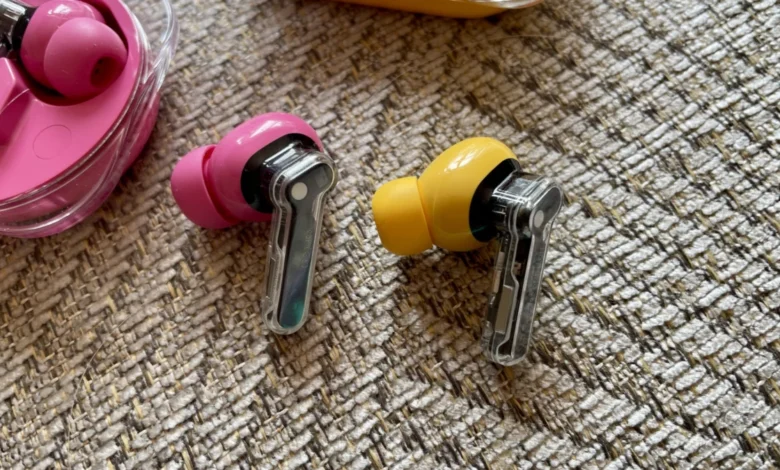
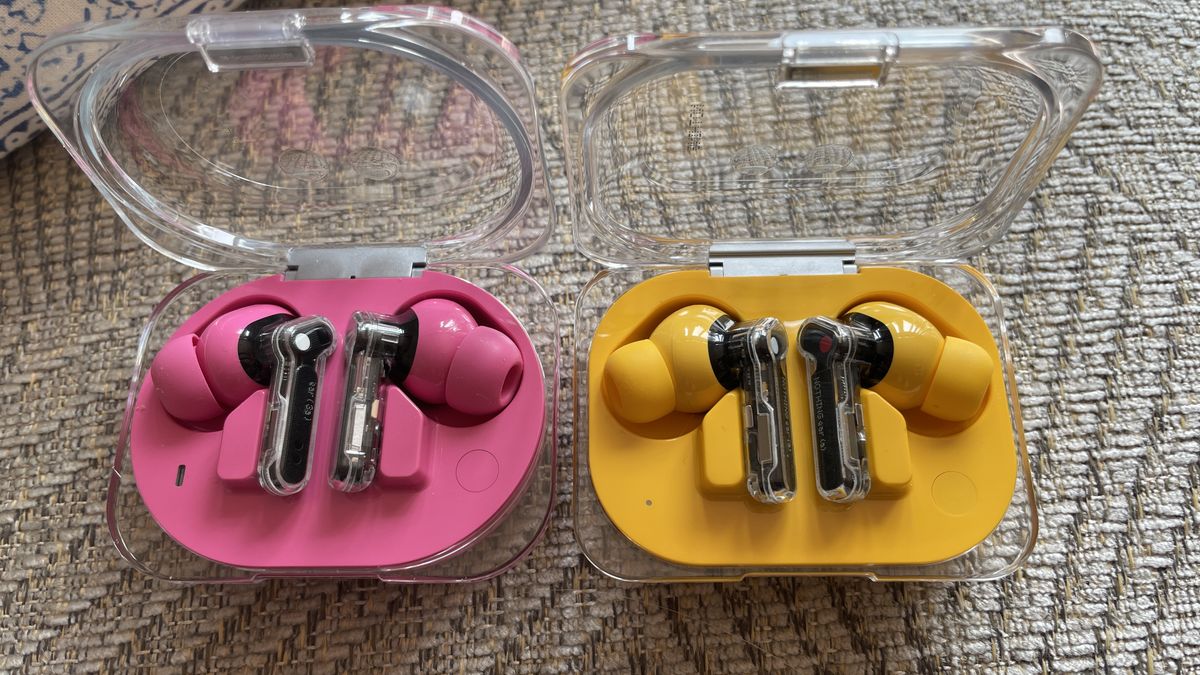
The consumer electronics market has seen a significant shift in the mid-range wireless earbud sector with the release of the Nothing Ear (3a). Positioned as the direct successor to the highly-rated Nothing Ear (a) from 2024, this new iteration seeks to balance a budget-friendly price point of $99 (£99) with features typically reserved for more specialized or premium hardware. However, the device has sparked a complex debate within the tech community regarding its primary new features: Audio Snapshot and integrated Call Recording. While Nothing markets these tools as a "sense of play" for a "young, creative, and engaged" audience, the implementation of surreptitious recording capabilities has raised significant ethical and privacy concerns among industry analysts and consumer advocates.

Market Positioning and Brand Evolution
Nothing, the London-based technology company founded by Carl Pei, has built its reputation on transparent aesthetics and a disruptive approach to the smartphone and audio markets. The "(a)" series represents the company’s "affordable" tier, sitting below its flagship "Ear" models. The 2026 release of the Ear (3a) maintains the established $99 price point, directly competing with the Apple AirPods 4, the Cambridge Audio Melomania A100, and various offerings from Sony and Samsung.
The Ear (3a) arrives at a time when the "prosumer" market is increasingly interested in productivity tools. By integrating call recording and transcription services directly into a pair of lifestyle earbuds, Nothing is attempting to bridge the gap between casual listening and professional utility. This move follows the trend of AI-integrated hardware, such as smart glasses and dedicated voice recorders, but places the technology in a much more ubiquitous form factor.
Technical Specifications and Hardware Upgrades
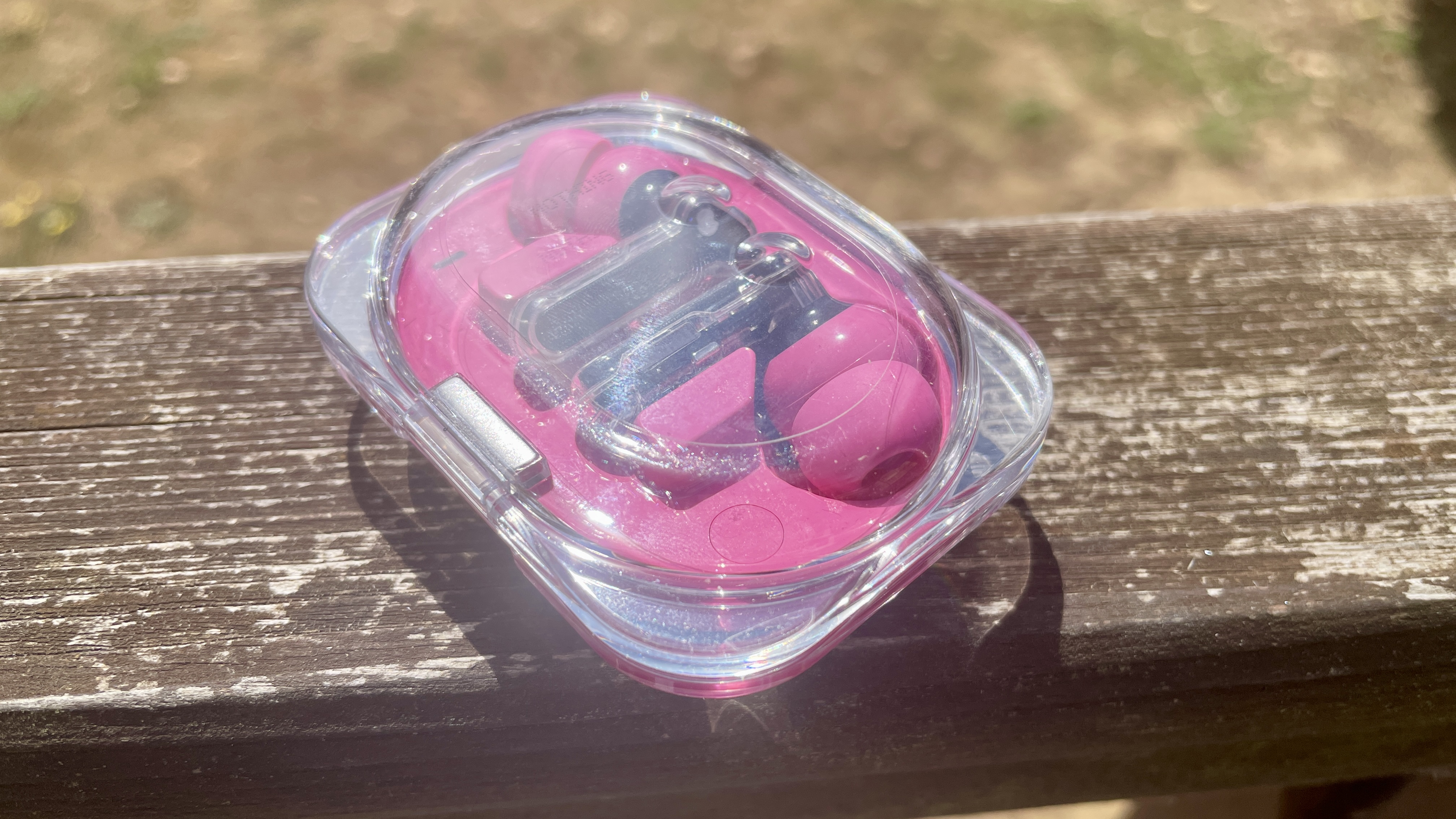
The Nothing Ear (3a) introduces several hardware refinements over its predecessor, though some omissions have noted by those following the brand’s trajectory. The most notable physical change is the driver size, which has increased from 11mm to 12mm. This custom driver features an aerospace-grade diaphragm designed to deliver a broader soundstage and deeper bass response.
In terms of connectivity, the Ear (3a) utilizes Bluetooth 6.0, providing a more stable connection and lower latency compared to previous standards. It retains support for the LDAC codec, allowing for high-resolution audio streaming up to 32-bit/96kHz at 990kbps on compatible Android devices. This ensures that despite its budget positioning, the device meets the requirements for the "Hi-Res Audio Wireless" certification.

The Active Noise Cancellation (ANC) has also seen a technical boost. Nothing claims the system can now cancel up to 45dB of ambient noise, an approximate 17% improvement over the Ear (a). This is achieved through a combination of updated internal architecture and a software algorithm that adapts to the user’s environment in real-time. The device also includes an IP54 rating for dust and water resistance, making it suitable for workouts and outdoor use.
The Audio Snapshot and Call Recording Controversy
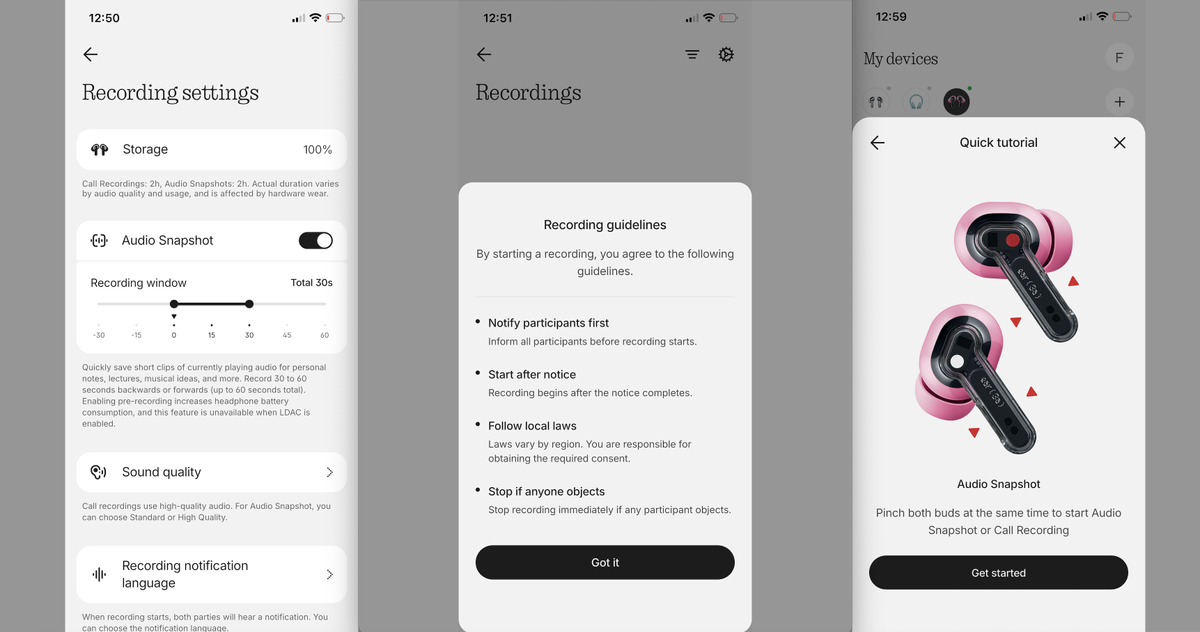
The centerpiece of the Ear (3a) marketing campaign is "Audio Snapshot," a feature that allows users to record audio directly onto the earbuds. The hardware includes 32MB of onboard flash storage, capable of holding up to two hours of audio. This function can be triggered by a "pinch" gesture on the earbud stems, capturing phone calls, WhatsApp voice notes, or ambient sound.

Privacy and Consent Mechanisms
The primary point of contention involves how the device notifies parties that a recording is in progress. According to technical documentation, when a recording starts during a standard phone call, the earbuds emit a brief "beep" to signal the beginning of the capture. On Voice-over-IP (VoIP) platforms like Google Meet, a vocal prompt announces the recording.
However, critics argue that a simple beep is insufficient for informed consent, as the average person may not recognize the sound as a recording indicator. This stands in contrast to other recording-focused devices, such as the Viaim RecDot, which features visible LED indicators and a physical record button on the case to signal its intent to others. Nothing has stated that the device aligns with international privacy standards, including ISO 27001 and ISO 27701, and the Nothing X app includes a tutorial reminding users to seek permission before recording. Despite these safeguards, the potential for covert use remains a significant concern.
Transcription and AI Integration
To add value to the recording feature, Nothing offers a Pro Transcription service. For the first three months, users receive 120 minutes of free transcription per month. Following this trial, a subscription model will be implemented, with pricing expected to be finalized in late 2024. The service is designed to identify different speakers and provide summaries of conversations, which can then be used to generate calendar reminders or meeting notes. This level of integration is further enhanced for users of Nothing-branded smartphones, who can access ChatGPT through the earbuds to interact with their recordings via voice AI.
Audio Performance and Customization
Despite the focus on recording, the Ear (3a) remains a music-first device. Out of the box, the sound profile is characterized by a "bassy" signature, a common trait in consumer-oriented earbuds. To address this, Nothing has introduced an "Advanced" 8-band Equalizer (EQ) within the Nothing X app.

A sophisticated addition to this EQ is the "Q Factor" control. In audio engineering, the Q Factor determines the width of the frequency range affected by a boost or cut. A high Q Factor results in a narrow, surgical adjustment, while a low Q Factor creates a broad, gentle curve. This allows audiophiles to fine-tune the 12mm drivers with a level of precision rarely seen in the sub-$100 market.
However, the Ear (3a) lacks the "Personalized Sound Profile" feature found in the flagship Nothing Ear. That feature uses a three-minute hearing test to curate an EQ profile specific to the user’s hearing sensitivities. Its absence in the (3a) model suggests a clear tiering strategy by Nothing to protect the value of its premium models.

Battery Life and Charging Constraints
One area where the Ear (3a) has faced scrutiny is battery stamina. Despite the larger 12mm driver and the addition of onboard storage, the battery life has seen a slight regression compared to the previous generation.
- ANC Off: Up to 6 hours (buds) / 25 hours (with case).
- ANC On: Up to 4.5 hours (buds) / 18 hours (with case).
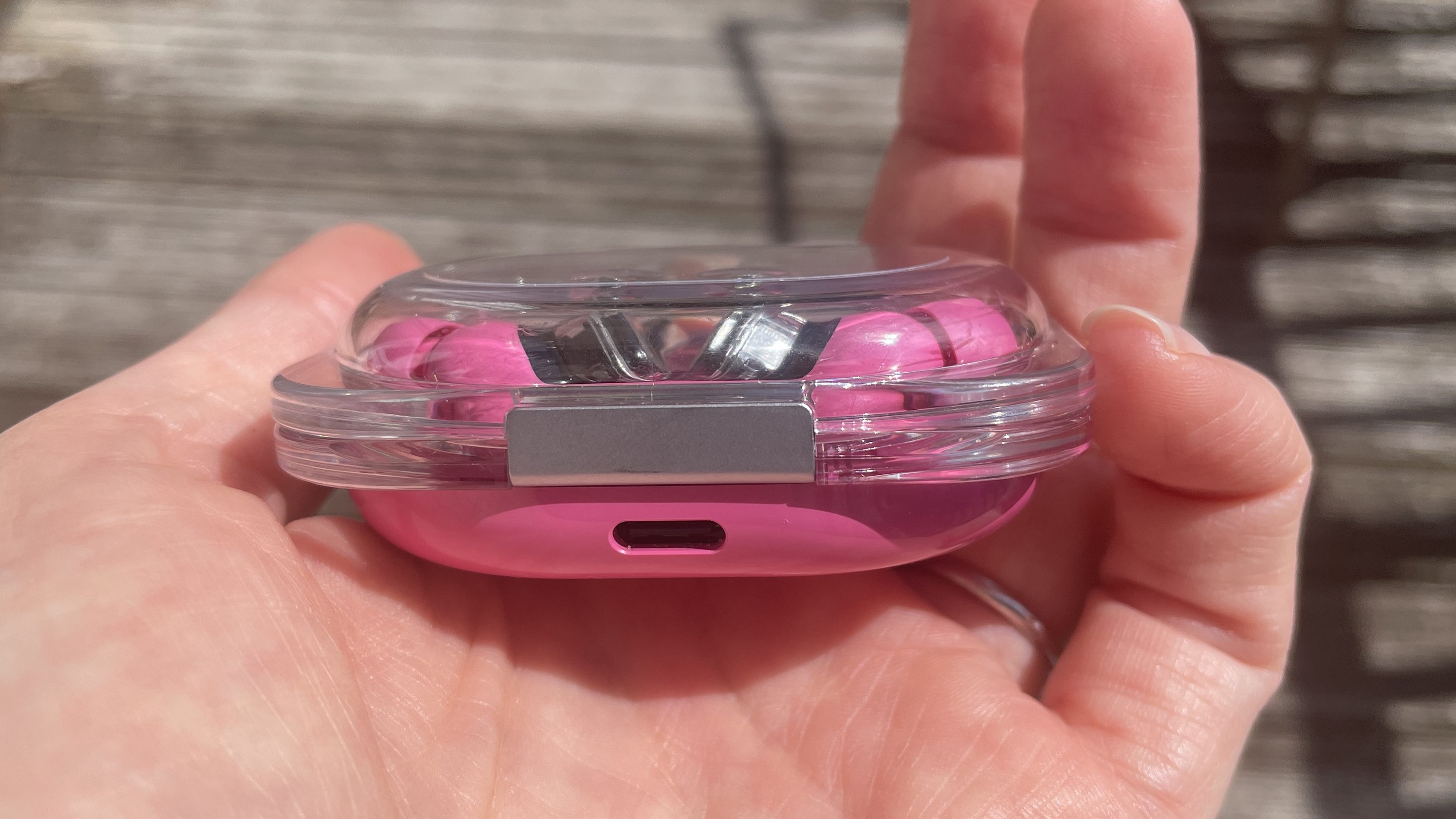
In comparison, the 2024 Ear (a) offered 5.5 hours with ANC on, and rivals like the Cambridge Audio Melomania A100 provide up to 11 hours per charge. Furthermore, the Ear (3a) does not support wireless charging, requiring a USB-C cable for all power replenishment. This omission, while expected at the $99 price point, remains a missed opportunity for a brand that prides itself on "fan-favorite" features.
Comparative Analysis: The Competitive Landscape
The $100 wireless earbud market is one of the most crowded segments in technology. The Nothing Ear (3a) must compete not only on price but on its unique feature set.
- Apple AirPods 4: While more expensive, the AirPods offer a seamless ecosystem experience for iPhone users and superior spatial audio tracking. However, they lack the high-bitrate LDAC support found in the Nothing Ear (3a).
- Cambridge Audio Melomania A100: These earbuds are frequently cited as the gold standard for battery life and pure audio fidelity in this price range. They lack the "playful" design and recording features of Nothing but offer a more traditional, high-performance audio experience.
- Huawei FreeArc: For users who prefer "open" earbuds that do not seal the ear canal, the FreeArc offers a compelling alternative with strong mid-range performance, though it lacks the active noise cancellation capabilities of the Nothing model.
Broader Impact and Industry Implications
The introduction of the Nothing Ear (3a) highlights a growing trend in consumer tech: the normalization of surveillance-capable hardware. As AI transcription and voice-capture become standard productivity tools, the line between a "fun" consumer product and a "surveillance" device becomes increasingly blurred.

Nothing’s decision to brand call recording as a lifestyle feature for "young creatives" is a bold marketing move that tests the boundaries of social etiquette and legal frameworks. While the Federal Wiretap Act in the United States and similar laws in the United Kingdom provide a legal baseline for recording, the practical application of these laws in a world of "pinch-to-record" earbuds is yet to be fully realized.
Furthermore, the shift toward larger drivers (12mm) and complex software (8-band EQ with Q Factor) in budget models indicates that the "entry-level" for audio quality is rising. Consumers no longer have to settle for poor sound to save money, but they may have to consider what privacy trade-offs they are willing to make for the sake of integrated "smart" features.
In conclusion, the Nothing Ear (3a) is a technologically impressive device that offers high-resolution audio, capable noise cancellation, and a unique design for under $100. However, its legacy will likely be defined by the "Audio Snapshot" feature. Whether this represents a genuine evolution in mobile productivity or a step too far into the realm of intrusive technology remains a subject of intense debate among consumers and privacy advocates alike.